Contractor content marketing: why case studies build real trust
What case studies mean for a contractor's reputation
When a homeowner or business owner looks for a contractor, they want proof that the work will be done well. A list of services on a website tells them what a contractor offers, but it does not show whether the contractor delivers on those promises. That is where case studies come in. A case study is a detailed look at a real project the contractor completed. It describes the problem the client had, the solution the contractor provided, and the result. For a reader, it is like seeing a before-and-after photo with the full story attached.
In contractor content marketing, case studies serve as a trust signal. They show that the contractor has done similar work before and can handle the challenges that come up. Unlike a testimonial, which is often just a few sentences, a case study gives the full picture. It explains the scope of the project, the materials used, the timeline, and any unexpected issues that arose and how they were solved. A reader can compare that story to their own situation and decide whether the contractor is a good fit.
How a case study works in practice
A well-written case study follows a simple structure. It starts with the client's situation: what needed to be done and why. Then it moves to the contractor's approach: what steps were taken, what materials or methods were chosen, and why those choices made sense. Finally, it shows the outcome: how the finished project looked, how it performed, and how the client felt about it. Photos are a natural part of this. A project gallery paired with a case study gives the reader visual proof that matches the written story.
For example, a kitchen remodel case study might show the old layout, explain why the homeowner wanted to open up the space, describe the new cabinet configuration and countertop material, and end with a photo of the finished kitchen. The reader can see the transformation and understand the thinking behind the decisions. That level of detail builds trust in a way that a simple list of services cannot.
Lemur Marketing is also on LinkedIn.
What case studies do that testimonials cannot
Testimonials are short and often generic. A homeowner might say, "Great work, would hire again." That is nice, but it does not tell a potential client what kind of work was done, how complex it was, or whether the contractor handled problems well. A case study fills those gaps. It provides context. It shows the contractor's problem-solving ability. It demonstrates that the contractor can handle the type of work the reader needs.

Case studies also help with website usability. A reader who lands on a contractor's site and sees a project gallery with detailed case studies can quickly scan for a project similar to their own. They do not have to call and ask, "Have you done something like this before?" The answer is right there, in writing and in pictures. That saves time for both the reader and the contractor.
Licence information and guarantees as supporting details
While case studies show past work, licence information and service guarantees add another layer of trust. A contractor who shares their licence number and explains what it covers shows that they operate legally and meet local standards. A service guarantee, such as a warranty on workmanship, tells the client that the contractor stands behind the job. When these details are included alongside case studies, the reader gets a full picture of the contractor's professionalism.
Brand consistency across case studies
For a contractor who does many different types of work, case studies also help maintain brand consistency. Each case study tells a story in the same voice, with the same level of detail, and with photos that look similar in quality. That consistency makes the contractor's website feel professional and trustworthy. A reader who sees three or four case studies that all follow the same format will notice that the contractor pays attention to detail in their marketing, which reflects how they work on the job.
Lemur Marketing works with contractors to create case studies that fit into a larger content marketing plan. The goal is not just to have a few stories on the site, but to make sure those stories are written well, include the right details, and are easy to find. A case study that is buried in a menu or written in a way that is hard to read might as well not exist. Good placement and clear writing matter just as much as the content itself.
What to look for in a contractor's case studies
If you are a homeowner or business owner looking for a contractor, here are a few things to check when you read case studies on their website:

- Does the case study describe the problem clearly? Vague stories like "we remodeled a kitchen" tell you little. Look for specifics: old layout issues, material choices, timeline.
- Are photos included? A case study without photos is just a story. Photos let you see the quality of the work.
- Does the case study mention challenges? Every project has hiccups. A contractor who is honest about problems and explains how they fixed them shows integrity.
- Is the case study recent? Old projects may not reflect the contractor's current skills or materials. Look for work done in the last year or two.
- Does the case study match what you need? If you are looking for a bathroom remodel and all the case studies are about decks, the contractor may not be the best fit for your project.
Why contractors should invest in case studies
For contractors, case studies are one of the most effective tools in contractor content marketing. They do not require a big budget. They just require taking photos of finished projects and writing down the story behind them. A contractor can start with one or two case studies and add more over time. Each new case study adds to the portfolio and gives potential clients another reason to trust the contractor.
Case studies also help with search engine visibility. When a case study includes details about the type of work, the materials used, and the location, it can show up in search results for those terms. That means a homeowner searching for "custom deck in Des Plaines" might find a case study about a deck the contractor built in that area. The case study does the marketing work long after it is written.
Lemur Marketing helps contractors build case studies that work for both the reader and the search engines. The process starts with talking to the contractor about past projects, then writing the story in a way that is clear and useful. Photos are taken or provided by the contractor, and the finished case study is added to the website in a place where visitors can find it easily.
How to get started with case studies
If you are a contractor who has not used case studies yet, start with your most recent project. Take photos at each stage: the starting point, the work in progress, and the finished result. Write a short description of what the client wanted, what you did, and how it turned out. Keep it honest. If there were surprises, mention them. The goal is to show that you can handle real-world problems, not just perfect jobs.
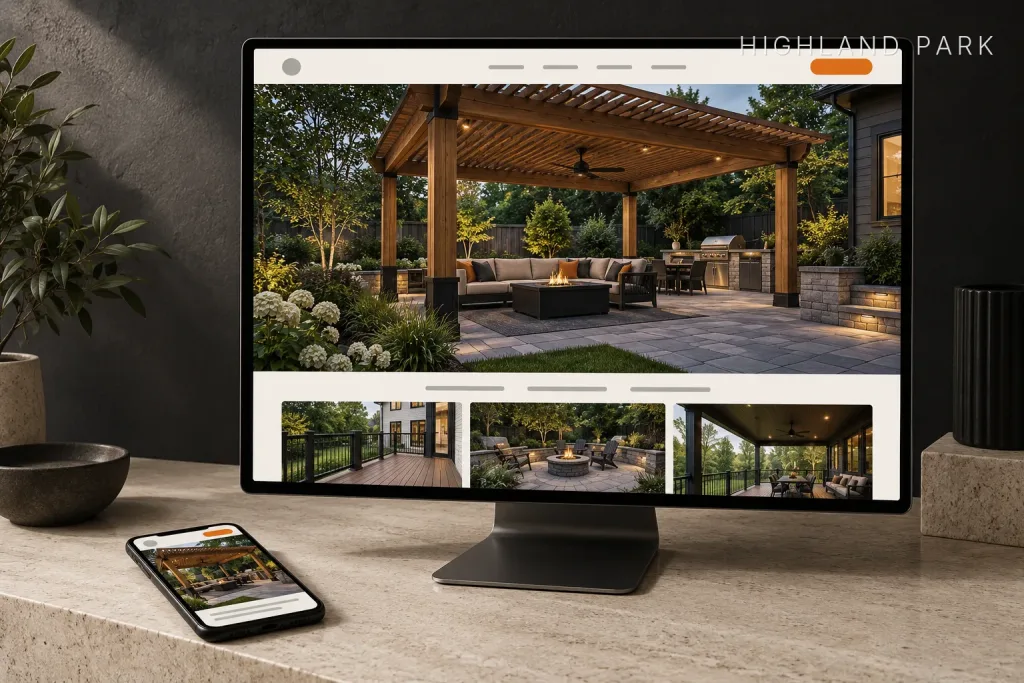
Once you have a few case studies, look at how they fit on your website. A dedicated "Projects" or "Portfolio" page is a good place to start. Each case study should have its own page so that someone searching for that type of work can find it. Link to the case study from your homepage or services page so visitors can see examples of your work right away.
For contractors who want help, Lemur Marketing is located at 1574 Henry Ave, Des Plaines, IL 60016, USA. You can reach them by phone at +1 630-551-8493. They work with contractors in the Chicagoland area to create content that builds trust and attracts the right clients.